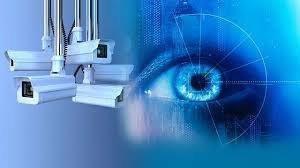
THE FUTURE OF SECURITY SYSTEMS.
The integral of security systems including CCTV, intruder alarms, and access control systems, is likely to be influenced by advancements in technology and emerging trends. Here are some potential developments that we predict will highly shift the security industry: 1. Integration of Artificial Intelligence (AI): AI can enhance security systems by analyzing video feeds, identifying potential threats, and alerting security personnel in real-time. AI algorithms can also help in reducing false alarms and improving overall system efficiency. 2. Enhanced Video Analytics: CCTV systems are moving beyond simple video monitoring. Advanced video analytics can provide automated object detection, facial recognition, license plate recognition, and behavioral analysis. These capabilities can help identify suspicious activities and provide valuable insights for improving security. 3. Cloud-Based Solutions: Cloud-based security systems offer benefits such as remote access, scalability, and easier management. Storing video footage and data in the cloud can also provide additional redundancy and ensure that critical evidence is not lost in case of physical system damage or theft. 4. Mobile Integration and Remote Monitoring: Security systems are increasingly being designed for seamless integration with mobile devices. This enables remote monitoring and control of CCTV cameras, access control systems, and intruder alarms. Mobile apps can send push notifications and enable users to view live feeds or modify system settings from anywhere, improving convenience and responsiveness. 5. Biometric Authentication: Access control systems may increasingly adopt biometric authentication methods such as fingerprint, face, or iris recognition. These methods offer higher security compared to traditional access cards or PINs, as they are more difficult to replicate or guess. 6. Internet of Things (IoT) Integration: IoT devices can be integrated with security systems to create a more comprehensive and interconnected network. For example, motion sensors, door/window sensors, and other IoT devices can communicate with the intruder alarm system, providing more accurate and timely alerts. 7. Improved Cybersecurity Measures: As security systems become more connected and reliant on digital infrastructure, there will be an increased emphasis on robust cybersecurity measures. Encryption, secure protocols, and regular software updates will be essential to protect against potential cyber threats. Summarily, security systems are likely to become more intelligent, interconnected, and user-friendly, providing better surveillance, threat detection, and access control capabilities.